
You get in touch
Tell us the location, roughly how much space is available, and who will be there on the day.
Home / Our Work
Five programmes, one idea: get trees into the ground and keep them alive. Everything we run is designed so a local volunteer group can repeat it without us.
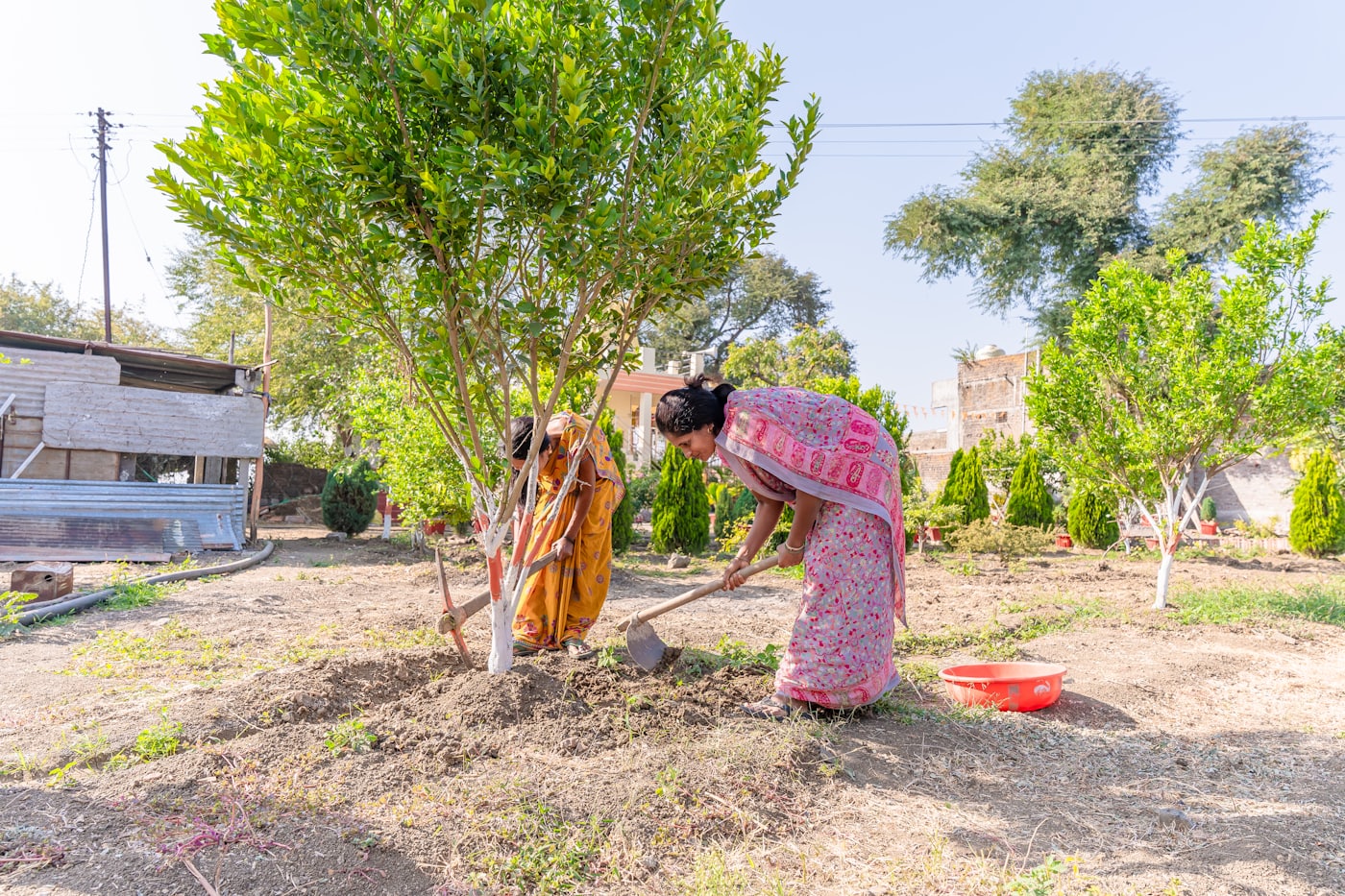
Community plantation events run with RWAs, panchayats, schools and volunteer groups across Delhi NCR, Haryana, Punjab and Uttar Pradesh.
We supply the saplings, tools, tree guards and the planting plan. The local community supplies the hands and, crucially, commits to the watering schedule afterwards. Species are chosen for the site — native and fruit-bearing wherever the soil allows, never ornamental plants that need constant care.
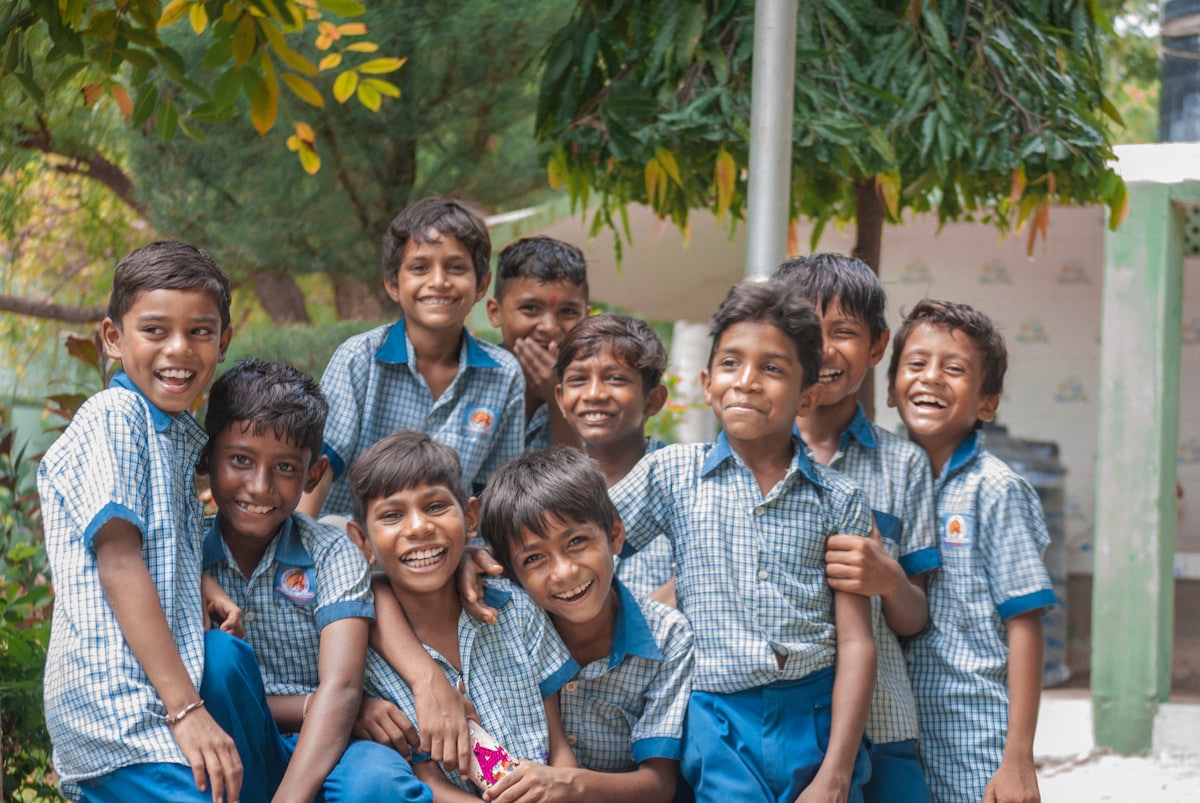
Every child, one tree. Green Clubs in schools where each student plants a sapling, names it, and takes responsibility for it through the academic year.
The tree becomes the student's, not the school's. We back it with short classroom sessions on air quality, why Delhi's winters look the way they do, and what a mature tree actually does for a street. Schools receive a simple care calendar so the programme survives the summer break.
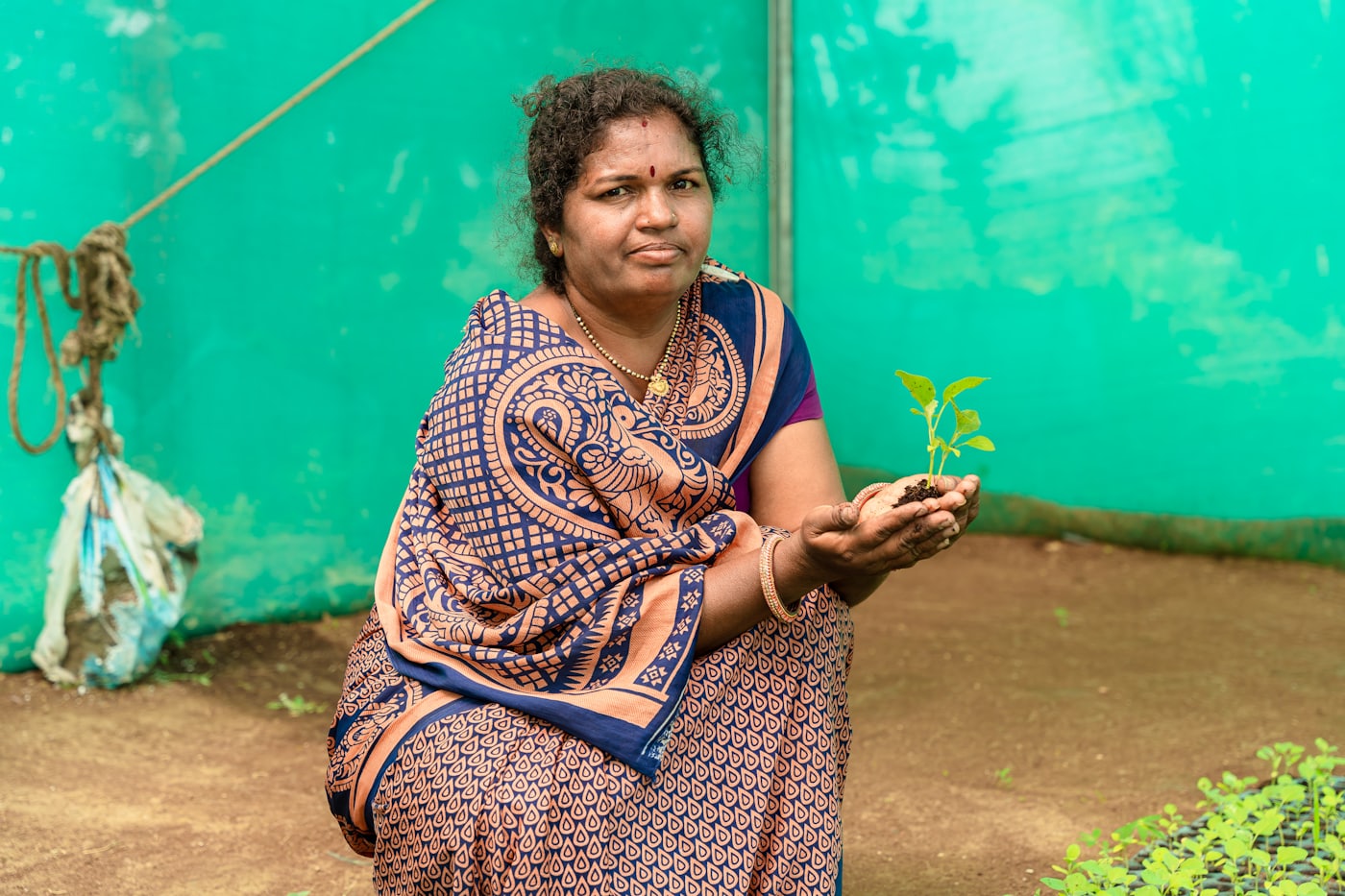
Saplings handed directly to families, farmers, shopkeepers and institutions — free, with written guidance in Hindi on keeping them alive.
Not everyone needs us to plant for them. Many people simply need a healthy sapling and honest advice about where to put it. We run distribution stalls at markets, melas, government events and school functions, and we prioritise fruit-bearing species that give families a reason to protect the tree.
हर घर — एक पेड़
Every home, one tree.
If one household in every lane planted and protected a single tree, the map of North India would look different in fifteen years. That is the entire theory of change.
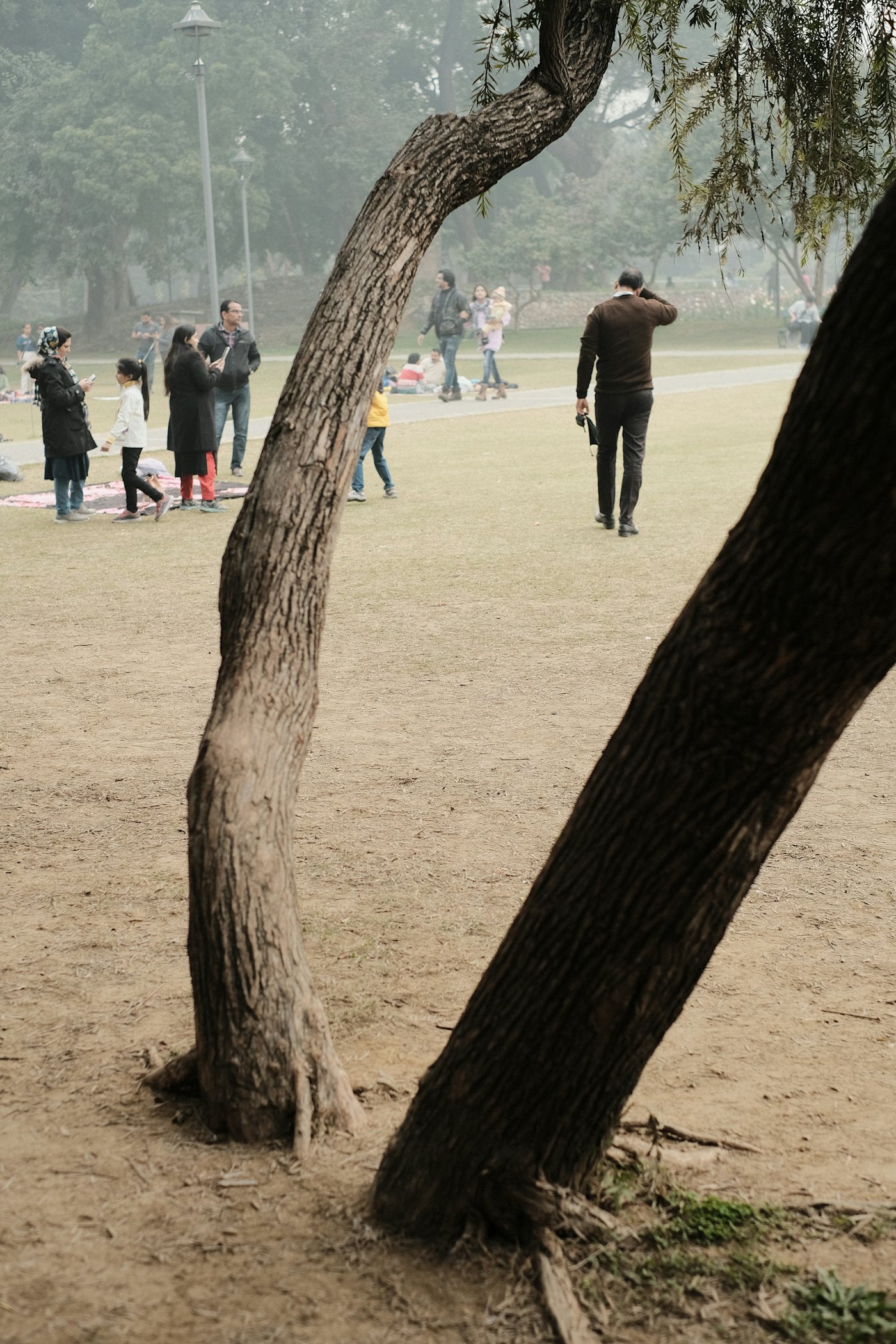
Street-level work on the things that sit alongside plantation: air quality, plastic, waste segregation and water.
Plantation alone does not fix a neighbourhood. We run nukkad-level sessions, school assemblies and market-day campaigns on the everyday decisions that add up — burning waste, single-use plastic, wasted water, and the habit of treating a public tree as nobody's responsibility.
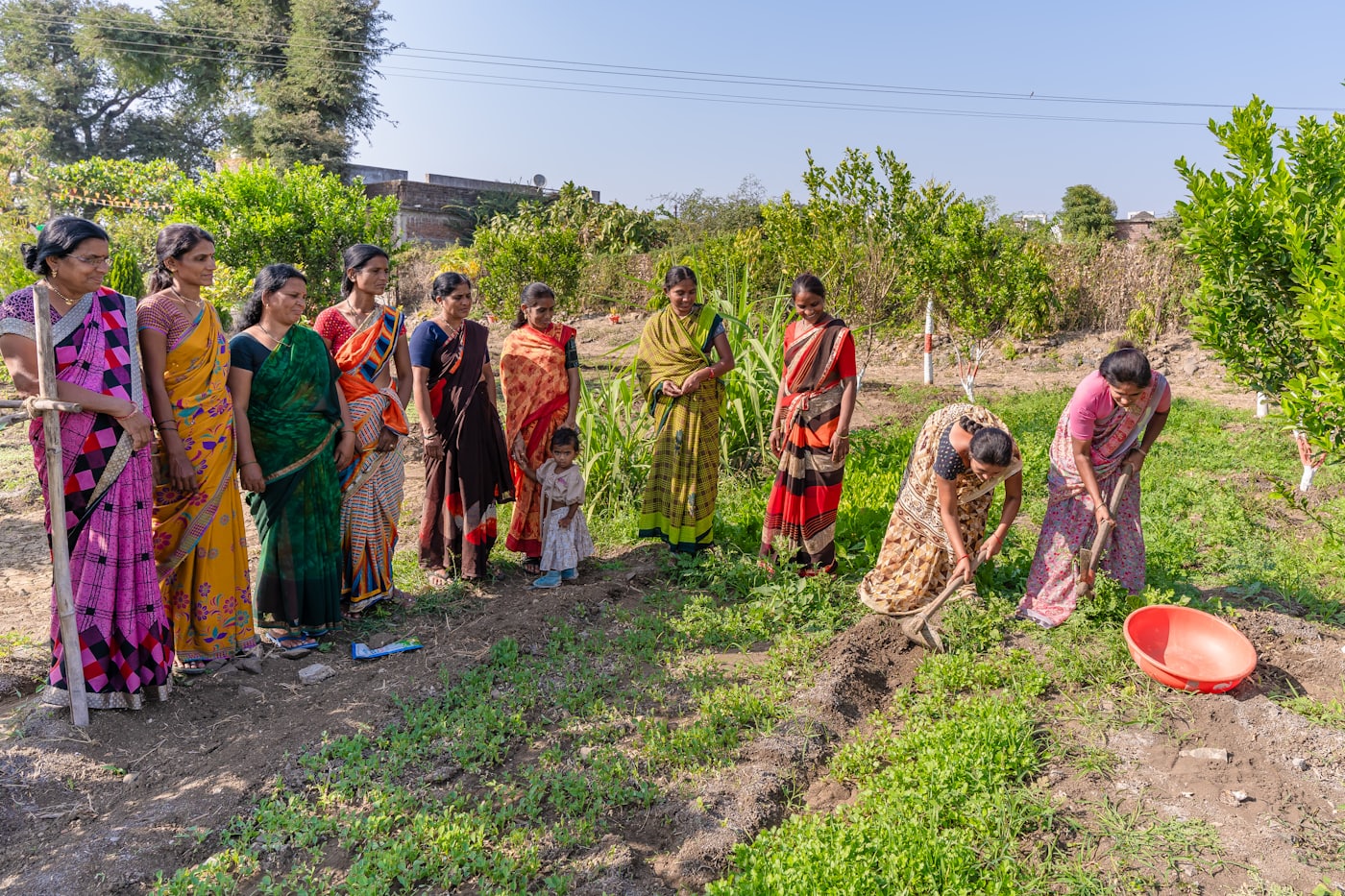
Working with rural households in Haryana, Punjab and western Uttar Pradesh on fruit trees, kitchen gardens and soil health.
In villages, green cover has to pay for itself. We focus on fruit and fodder species that give a family a return — guava, jamun, amla, moringa, neem — planted on field boundaries and homestead land where they do not compete with the crop. Trees that earn are trees that survive.
If you want a plantation drive in your school, colony or village, this is what actually happens.
Tell us the location, roughly how much space is available, and who will be there on the day.
Soil, sunlight, water access and existing trees decide the species list and how many pits make sense.
Saplings, tools and tree guards arrive with us. Your volunteers do the planting — that is the point.
A named caretaker holds the watering schedule, and we check on the trees through the first two summers.
We work across Delhi NCR and travel further into Haryana, Punjab and Uttar Pradesh when a site is worth it.